How to stay consistent on LinkedIn as a founder (without relying on motivation)
Founders don't stop posting because they run out of ideas. They stop because every post starts from zero. Here is the system that keeps you posting for a year, not three weeks.

By Christopher Sorg and Piero Delgado Arce, co-founders of Merkion.
Almost every founder we talk to has the same LinkedIn history. A strong month. A launch. A few posts that did well. Then a busy week, then a busier one, and the profile goes quiet for two months. The next post starts with "It's been a while."
This is not a discipline problem. It is a system problem. Here is how to fix it.
Why founders stop posting
When we ask founders why they stopped, the answers fall into four groups:
- Blank page. Every post starts from zero, so every post feels like work.
- No clear message. They don't know what they want to be known for, so every topic feels equally valid and equally risky.
- No feedback. They can't tell if a post is good before it goes out, so posting feels like gambling.
- Too ambitious a rhythm. They start with daily posting, burn out in week three and stop entirely.
Motivation fixes none of these. A system fixes all four.
Step 1: Write down what you stand for
Consistency is not just posting often. It is posting the same message often. That requires knowing your message.
Write a one-page document with your positioning, the audience you want to reach, three to five topics you want to own, the opinions you hold that others in your industry don't, and the things you will never post. Reread it before you write. When you know what you stand for, picking a topic takes minutes instead of an evening.
Step 2: Capture input every day, write later
Good founder content comes from real work: a customer call, a hiring decision, a mistake, an argument with your co-founder. The problem is that by the time you sit down to write, you have forgotten it.
Spend five minutes a day capturing raw notes. Not posts. Notes. What happened, what you learned, what you disagreed with. After two weeks you will have more material than you can use, and the blank page is gone.
Step 3: Pick a rhythm you can keep for a year
Two posts a week for fifty-two weeks is 104 posts. Daily posting for three weeks followed by silence is 21. The first founder builds a brand. The second builds a gap in their timeline.
Choose the smallest rhythm you are sure you can keep on your worst month. Block the time in your calendar like a meeting. You can always add more once the habit holds.
Step 4: Check every post before it goes out
Founders hesitate to post because they are not sure a draft is good. Replace that doubt with a short checklist:
- Could anyone else have written this? If yes, add your story, your numbers or your opinion.
- Does it fit one of your topics?
- Would your ideal reader stop scrolling for the first line?
- Is there a clear point, or just a vibe?
A post that passes these four checks is good enough to publish. Perfect is the enemy of consistent.
Step 5: Review monthly, not daily
Checking impressions after every post is the fastest way to lose momentum. Look at your content once a month instead. Which topics did you cover? Which did you neglect? Did you post enough that finds new people, enough that builds trust and enough that turns followers into conversations? Adjust next month's plan, then stop looking.
What to do when you fall off anyway
You will miss a week at some point. Don't announce your return and don't apologize. Pick the strongest note from your input list and post it as if you never left. Your audience noticed your absence far less than you think.
The short version
- Write down what you stand for, once.
- Capture input every day in five minutes.
- Post on a rhythm you can keep for a year.
- Check every draft against your identity before publishing.
- Review monthly.
Where Merkion fits
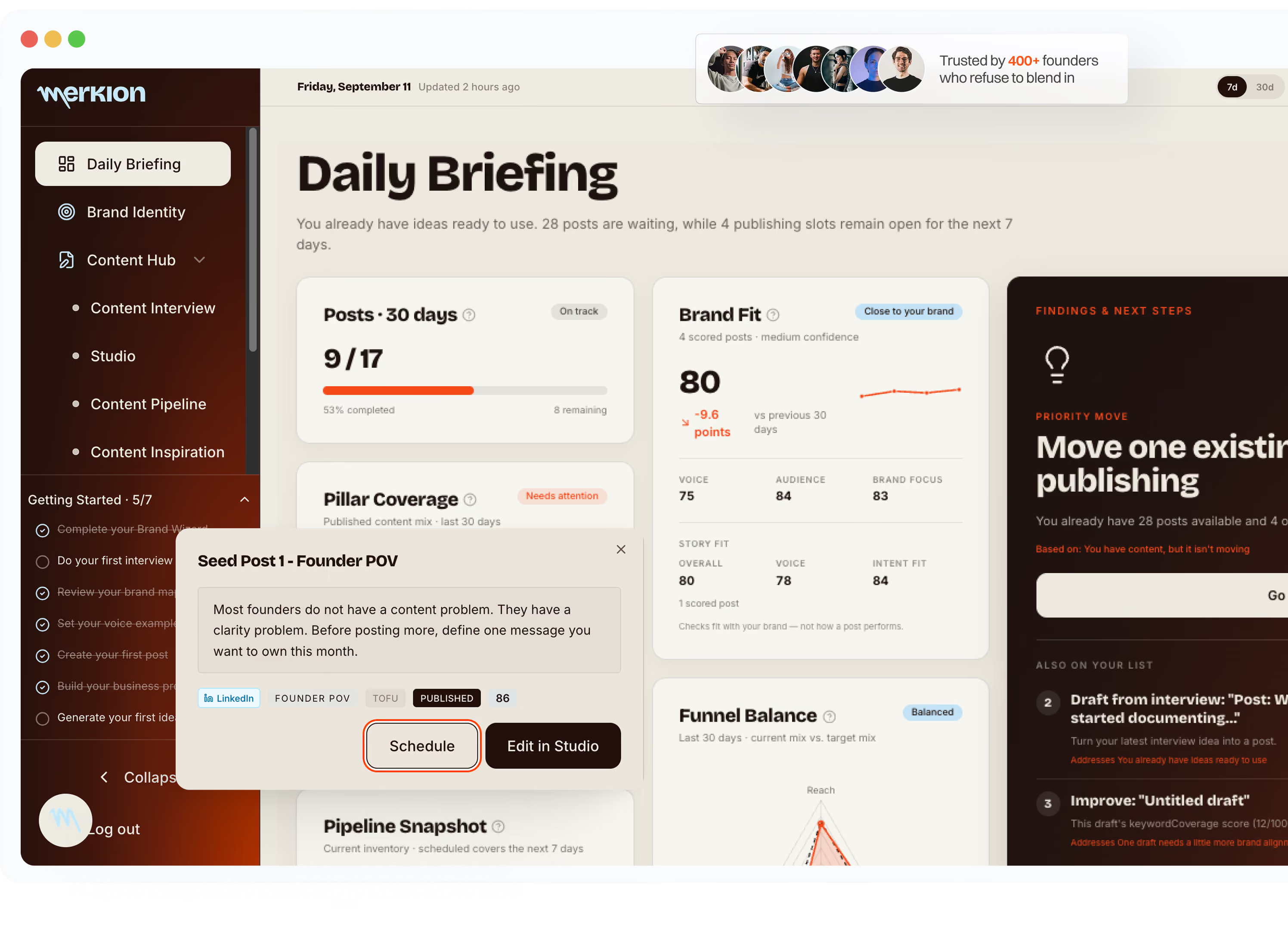
Merkion runs this system for you. The Brand Map documents your identity from 14 branding questions, the daily Content Interview turns your real work into topics, and the Brand Fit score checks every draft against your brand before you publish. It never writes your posts. Read more about the personal brand operating system behind it, or start with your Brand Map.
Build a founder brand that sounds like you.
Start with your Brand Map. Merkion never writes your posts.